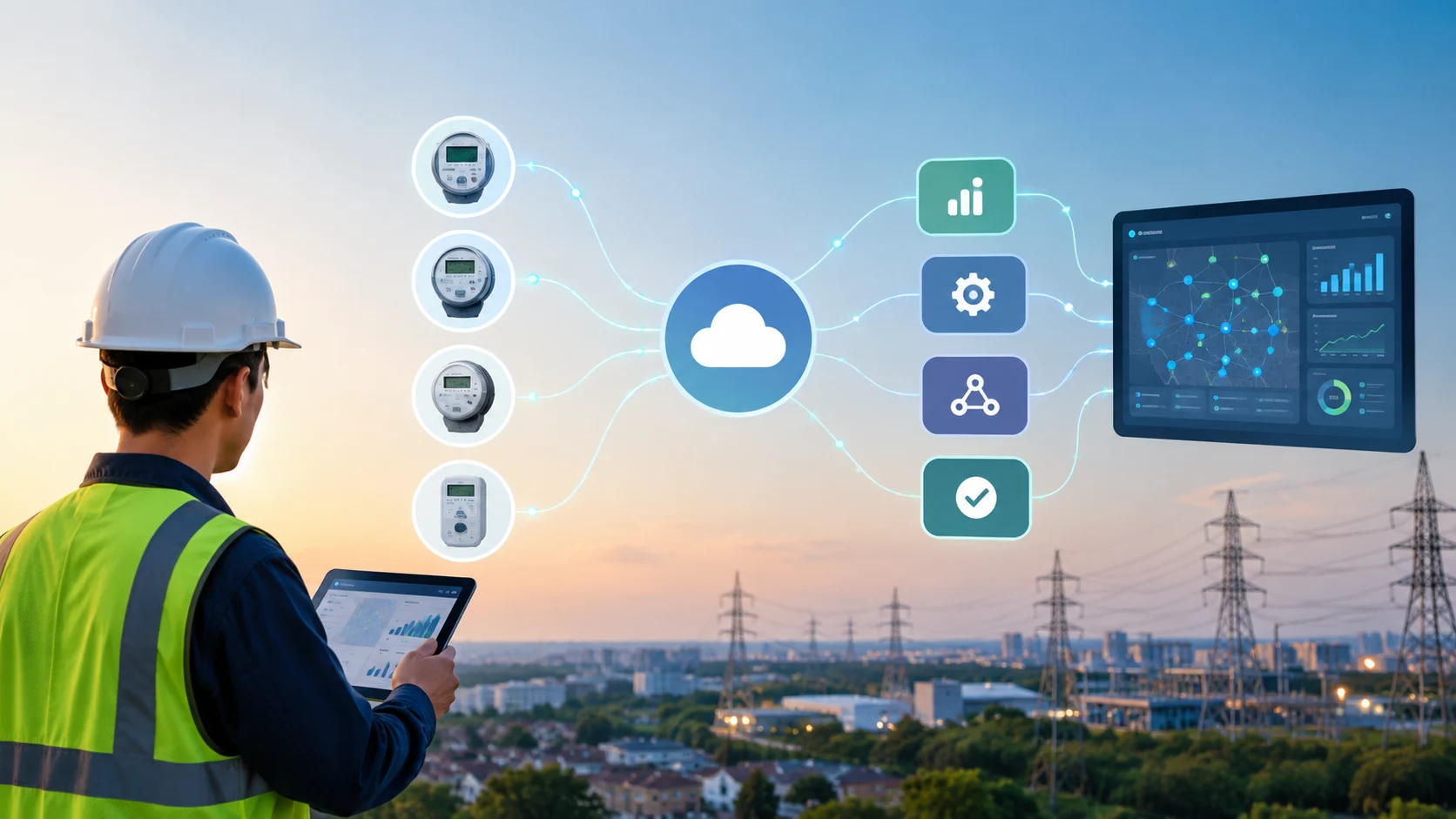
The distribution grid never stands still. Loads shift, faults develop, and energy losses accumulate. Yet much of how utilities monitor their networks still relies on periodic readings, audits and inspections. Take consumer indexing, for example. Utilities periodically update which consumers are connected to which distribution transformers (DTs) and feeders. But as network connections change, these records can become outdated between updates.
This approach worked when networks were more predictable. But things have changed. Rooftop solar and batteries are changing power flows, EVs are adding new demand, and extreme weather is testing ageing assets.
For utility leaders, the more pressing question is: How do we make timely decisions when our view of the network may already be outdated?
I believe the next fundamental shift in distribution operations is moving from periodic visibility to continuous grid awareness, where utilities understand what is happening across their networks, why it is happening and what is likely to happen next.
Why Are Periodic Snapshots No Longer Enough?
The sheer scale of the disruption we're facing is absolutely staggering. According to Climate Central, a whopping 80% of major U.S. power outages from 2000 to 2023 were weather-related. Weather-related outages roughly doubled between the first and last decades of that period. The grid is getting hammered by extreme weather, while ageing equipment faces failures that a basic inspection calendar simply cannot predict.
And it's not just weather causing chaos. The very physics of how electricity flows is changing. Historically, power was a one-way street, from power plants to consumers. Not anymore. With rooftop solar feeding electricity back into local networks, power now flows both ways. A feeder that operated safely yesterday could experience reverse power flow and dangerously high voltage today.
Meanwhile, EVs, heat pumps and data centers are all adding to the demand, potentially pushing transformers from operating comfortably to catastrophically overloaded within a single season. So, how exactly do we close this blind spot?
Visibility Is Not Awareness
Now, it's really tempting to think the answer is just throwing more data at the problem. But trust me, flooding a control room with a million new readings isn't awareness; without the right context, we're simply overwhelming operators with more alerts.
A useful way to understand this comes from aviation and high-stakes control rooms. Mica Endsley's situation awareness model describes 3 levels:
1. Perceive: Know what's happening right now. Which meters have lost power? Which transformers are overloaded?
2. Understand: Know what the data means. Are twenty meters reporting separate outages, or is one blown fuse responsible?
3. Anticipate: Know what could happen next. Which transformer is likely to overload during the next hot evening?
Continuous awareness means bringing all three levels together. And think about what this changes for utility operations.
In many networks, operators still learn about outages when customers call. With smart meters and sensors, they can often detect outages before the first complaint arrives.
With accurate network mapping, utilities can track energy losses daily, right down to individual transformers. Maintenance teams can also prioritize equipment showing signs of stress, rather than replacing expensive parts simply because they've reached a certain age. To actually achieve all of this, the grid needs a totally new set of eyes and ears.
How Are Sensors Changing the Way Utilities Monitor the Grid?
Utilities are extending that visibility with targeted sensors. Sky imagers track cloud movement to forecast rooftop solar output, helping utilities anticipate changes in local power flows and voltage conditions. Weather stations and wildfire cameras help utilities monitor fire risks, while early-fault sensors detect signs of arcing before equipment fails.
And we're already seeing the benefits in action. In 2026, PG&E described how its continuous monitoring systems flagged a possible wiring issue. When crews investigated, they found melted insulation at a transformer and replaced the affected equipment before it could cause an ignition.
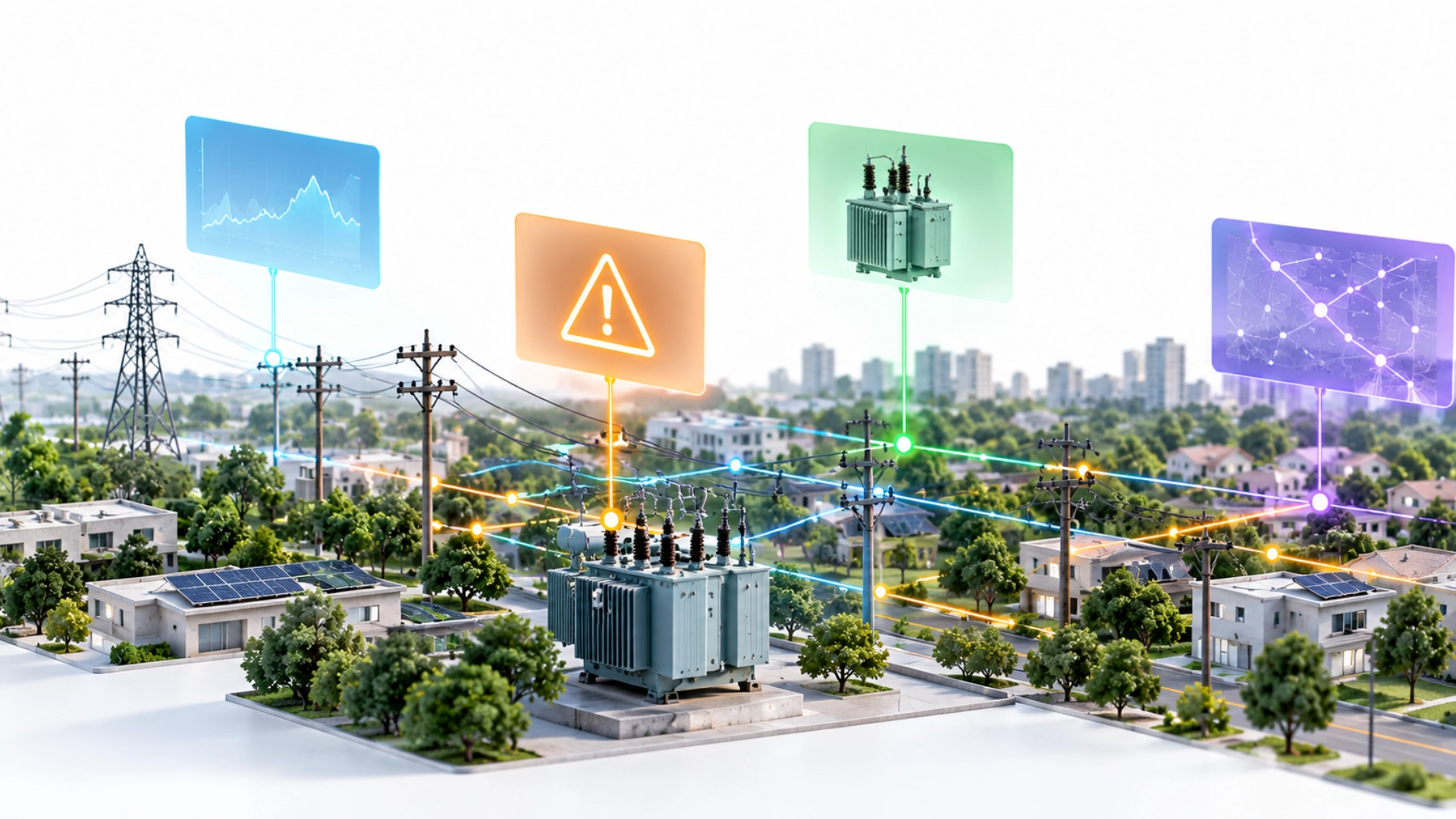
The real value comes when utilities bring these signals together. A transformer monitor, a heatwave forecast and downstream meter data can help teams anticipate an overload and identify which consumers may be affected.
But here's the important question for utility leaders: Where will additional sensors help our teams detect risks and act sooner? The answer starts with making better use of existing smart meters and adding sensors where the operational risk justifies them.
What Makes Continuous Grid Awareness Difficult?
More sensors and better monitoring do sound promising. But here's where things can get tricky.
During a severe storm, millions of meter events can bury operators in a tidal wave of alarms unless systems filter and prioritize them. Communication gaps create another blind spot. A meter in a remote area or a dense city basement may stop reporting, leaving utilities unaware of what's happening at that location.
Then there's the cost. Monitoring every asset rarely makes financial sense, so utilities must place sensors where the risks justify the investment. They must also protect operational control systems as they bring more data into shared platforms.
But perhaps the least glamorous challenge is also the most important: getting network connectivity data right. Think about it. A utility could collect real-time readings from thousands of meters, but if it doesn't know which meter connects to which transformer and phase, how can it accurately identify where a problem is developing?
Without reliable network mapping, even the best monitoring systems can give utilities a distorted picture of their grid.
How Do Utilities Move Towards an Anticipating Grid?
The reality is, no utility jumps to perfect awareness overnight. They have to evolve through four stages:
- Stage 1 begins with periodic snapshots, where utilities rely on meter readings, audits, and inspections.
- Stage 2 is watching, where data starts flowing from smart meters and sensors.
- Stage 3 is the hardest hurdle. Utilities must connect that data to the physical network model to understand which meters belong to which transformers, phases, and feeders.
- Stage 4 is anticipating, where operators and planners work with a living, continuously updated picture of the grid to identify what could happen next.
And what does this progression make possible? The operational benefits can be significant. Teams can detect outages sooner, investigate energy losses before they accumulate for months, and prioritize maintenance based on emerging equipment risks. Utilities can assess new solar and EV connections with a clearer understanding of available capacity.
But spotting these risks early is only useful if teams act on them. Utilities need clear ownership of who investigates emerging issues, who decides when to intervene and how maintenance, inspections and loss investigations should adapt to changing network conditions.
So, here's the question I'd leave utility leaders with: how much longer can we rely on periodic snapshots to manage a network that changes every minute?
The grid has always been live. Now the utility's understanding of it can be too!