A study of smart water metering in urban Ghana found that consumers were largely excluded from the design and rollout process, with limited access to information generated by their meters. Researchers found that the utility-centred rollout largely failed to provide consumers with new operational information about their water services.
Ghana Water Company Limited began its smart-meter replacement programme in 2019, with approximately 90,000 domestic meters installed or replaced in Greater Accra by April 2022.
For water utility officials overseeing similar rollouts, the findings raise an important question: are consumers receiving useful information about their water consumption, or are the benefits of smart metering largely confined to utility operations?
Key Takeaways
- Ghana's smart water metering study found that consumers had limited involvement in the design and implementation of the programme.
- Approximately 90,000 domestic smart meters had been installed or replaced in Greater Accra by April 2022.
- Researchers identified limited consumer access to operational information, alongside existing mistrust and scepticism towards the water utility.
Ghana's smart water metering programme
According to ESI Africa's report, GWCL introduced smart metering as part of its efforts to address persistent challenges in water access and management.
The programme was initially planned for November 2017 but began in 2019. By November 2021, meter replacements were underway in Accra West, Accra East and Tema.
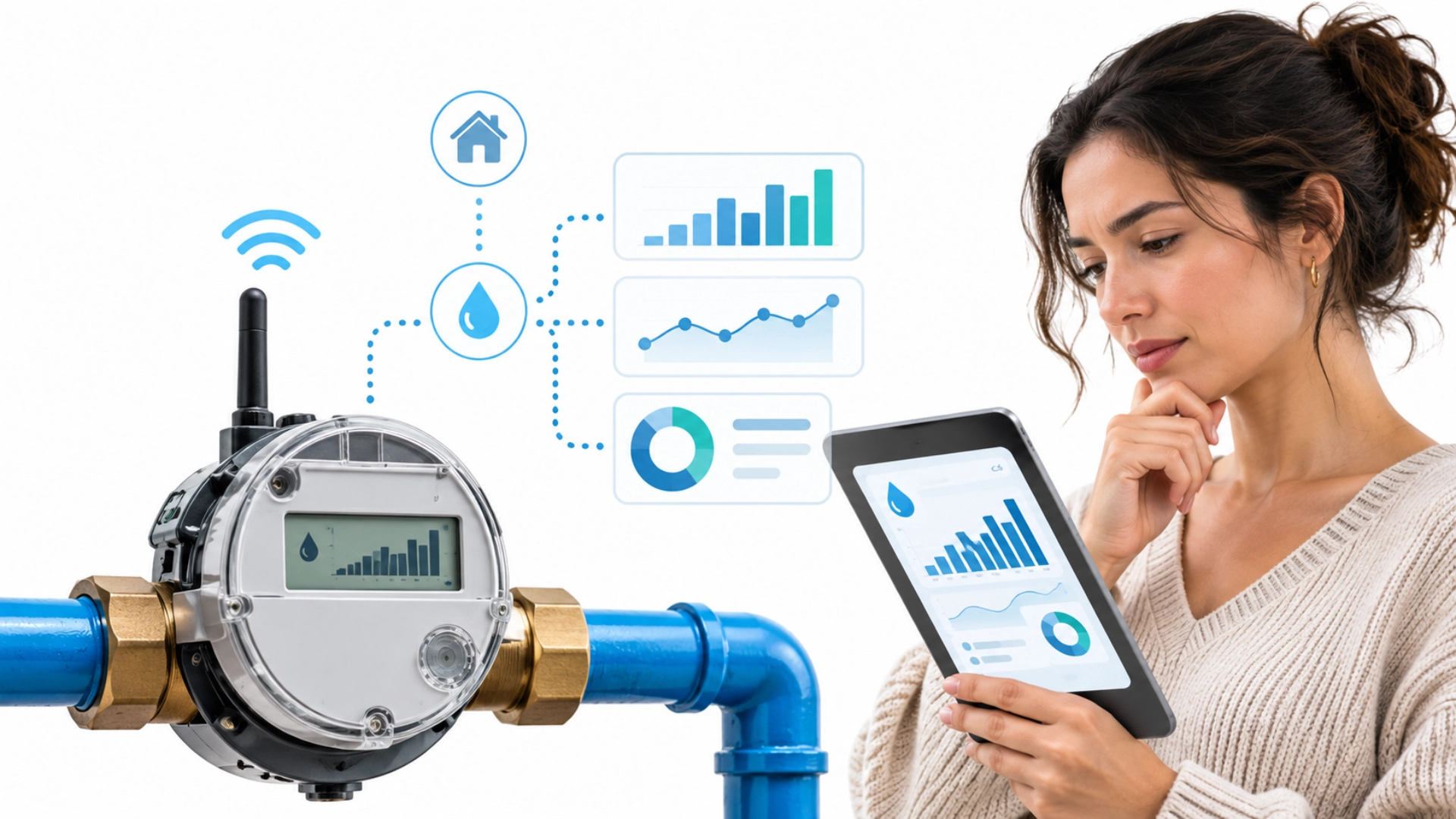
The utility planned to progressively replace mechanical meters across its customer categories with smart meters capable of automatically transmitting readings, generally through radio communication, and equipped with built-in throttle valves for remote opening and closing.
What did the study find about consumer experience?
The research, published in Utilities Policy in 2023, examined how households in urban Ghana experienced smart water metering and incorporated the technology into their daily lives.
The study found that Ghana Water Company Limited (GWCL) largely controlled the rollout, from introducing the policy and importing meters to planning and overseeing installation. Consumers had limited opportunities to participate in decisions about the technology.
Researchers also identified a gap in consumers' ability to interact directly with their smart-meter information.
The research also identified longstanding mistrust in the utility's everyday practices and infrastructure. These existing concerns contributed to friction and scepticism in how consumers responded to smart metering.
The researchers recommended consumer involvement and a more customer-centred approach to the design and implementation of digital water infrastructure.
What do these findings mean for water utility leaders?
For water utility officials overseeing smart-meter rollouts, the Ghana findings highlight the importance of making consumption information useful to customers, rather than limiting its value to internal operations.
While automated readings support utility operations, customers also need ways to understand their recorded water consumption and the information available about their water services.
The study therefore highlights two considerations for water utilities: involving customers in smart-meter implementation and providing meaningful access to information generated by the technology.
How WorkOnGrid supports water consumption reporting
WorkOnGrid helps water utilities bring together smart water meter data and analyse consumption patterns through reports.
Utility teams can review historical consumption, identify unusual changes and examine the supporting readings when investigating customer queries.
For example, when a customer questions an unexpected increase in water consumption, utility officials can review historical consumption reports to understand the usage pattern and determine whether further investigation is needed. The utility can then use these findings to explain the recorded consumption to the customer, helping them understand changes in their water usage rather than simply receiving a bill.
Want to make smart water meter data more useful for your utility and its customers? Talk to our team to see how WorkOnGrid supports consumption analysis and reporting.