Bengaluru, [7th April]: WorkOnGrid, an AI-native operations intelligence platform for utilities, has raised INR 22.5 crore in a funding round led by Transition VC and also saw participation from Indian Angel Network (IAN).
The fresh capital will be deployed to scale WorkOnGrid’s global go-to-market efforts, strengthen its AI and machine learning capabilities, and build international infrastructure.
WorkOnGrid is building a unified data intelligence layer for utilities across power, water, and gas—sectors that are increasingly challenged by fragmented systems, rising operational complexity, and the need for real-time decision-making. Its platform integrates disparate data sources, including smart meters, sensors, GIS, and financial systems, into a single queryable environment, enabling sub-second insights and automated workflows.
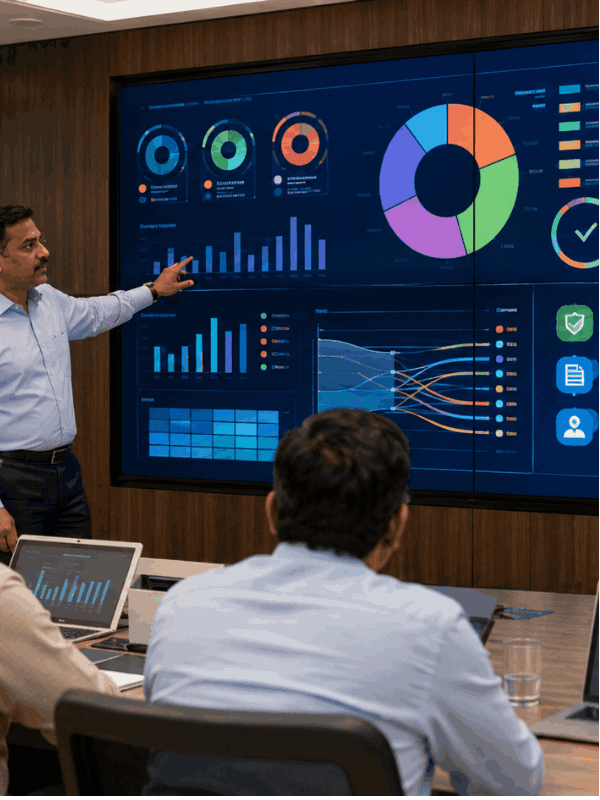
At the core of the platform is an integrated architecture that combines a data lakehouse, operational intelligence, workflow automation, and AI-driven analytics. This enables utilities to transition from reactive operations to predictive and increasingly autonomous decision-making, improving both efficiency and reliability across critical infrastructure. WorkOnGrid already works with 20+ utilities globally and manages the data of millions of smart meters, and a majority of the asset and field data generated by utility operations.

“This funding round marks a pivotal step in our mission to modernize the last mile of critical infrastructure,” said Udit Poddar, CEO of WorkOnGrid. “By digitizing manual operations and embedding AI-native intelligence into utility workflows, we are enabling providers to shift from reactive maintenance to predictive reliability, ensuring that essential services remain resilient and future-ready.”
WorkOnGrid offers flexible options including SaaS, self hosted or managed services options to ensure compliance with different regulatory standards across different regions for critical infrastructure requirements.
Adding to this, Raiyaan Shingati, Co-founder and Managing Partner at Transition VC said,"We invested in WorkOnGrid because it represents a fundamental shift in how utilities operate. Popularly known by their customers as 'DiscomGPT,' its agentic intelligence layer turns fragmented utility data into a seamless, closed-loop system, empowering teams to move from manual processes to real-time, automated decision-making across metering, billing, and field operations."
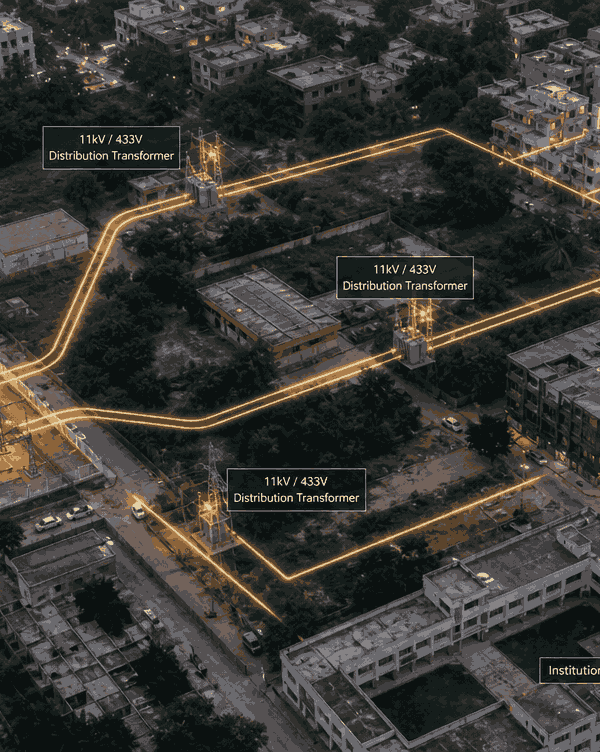
WorkOnGrid’s platform is already demonstrating measurable impact. In its pilot deployment with Apraava Energy, the platform’s AI framework identified high-risk distribution transformers, with the potential to generate significant annual cost savings by avoiding failures. The platform has also proven effective in reducing manual analysis efforts for utility operators and improving operational efficiency.
The global utility digitalization market continues to expand rapidly, driven by the proliferation of smart meters and the need for more efficient and resilient infrastructure. WorkOnGrid is positioning itself as a flexible, integration-first platform capable of working seamlessly across existing systems such as SCADA, GIS, ERPs, AMI and IoT platforms.
With this round, WorkOnGrid aims to accelerate adoption of its AI-native platform and establish itself as a key player in the transformation of global utility infrastructure.
About WorkOnGrid
WorkOnGrid is an AI-native operations intelligence platform for utilities across power, water, and gas. The company enables real-time data integration, predictive analytics, and workflow automation to help utilities improve efficiency, reliability, and decision-making. WorkOnGrid serves global utility providers through a SaaS model and scalable deployment architecture.
About Transition VC
Transition VC is India’s first energy-transition focused venture capital fund, founded by Raiyaan Shingati and Mohammed Shoeb Ali. The firm invests early, catalytic capital into the future of energy in India, backing engineering-led companies building the infrastructure for the transition via electrification, energy storage, industrial decarbonisation, alternate fuels, and next-generation manufacturing. With a thesis grounded in first-principles engineering, an energy- demand × energy-supply lens, and a portfolio architecture for complementary pull with shared customers, shared suppliers, and shared talent rather than a scatter of unrelated bets.